Security researchers have uncovered a large advertising campaign that turns ordinary-looking online ads into a trap for iPhone owners who hold crypto. The cybersecurity firm Confiant, which watches the online ad industry for abuse, published its findings on November 20, 2026 and named the operation MoldyRoost.
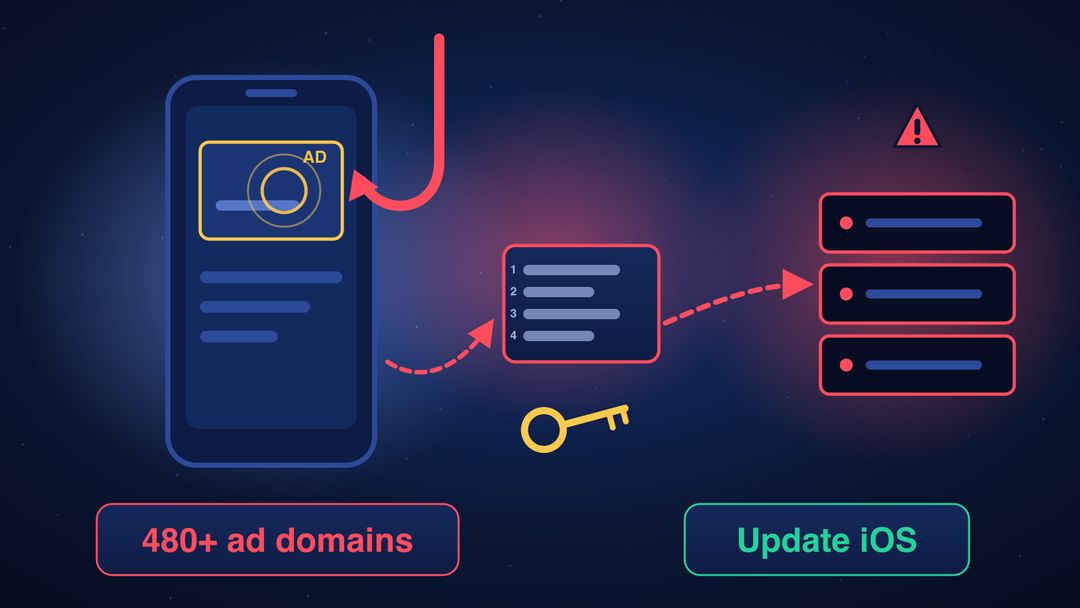
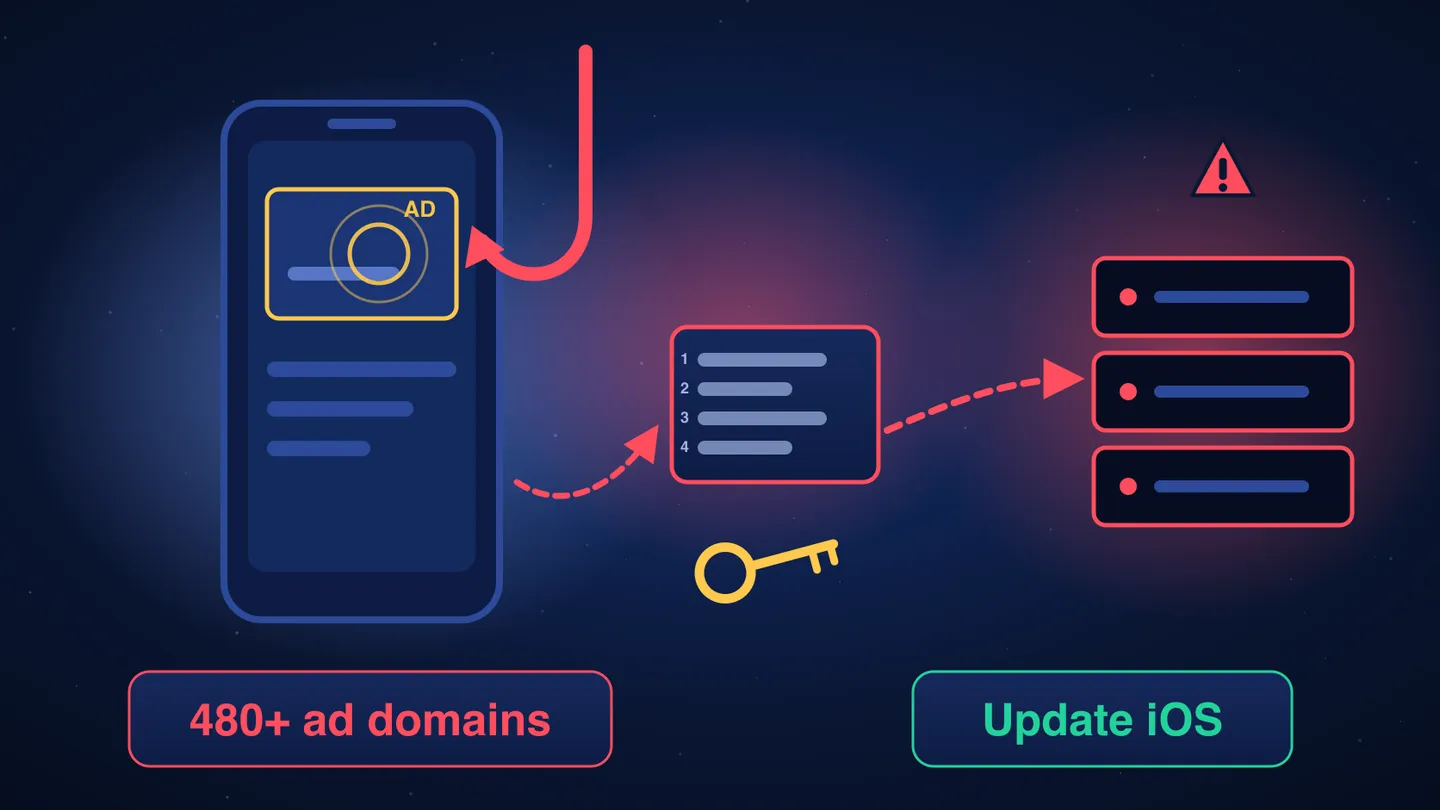
According to Confiant, on an iPhone running older software, a single tap on one of these ads is enough. Opening the page behind it can quietly install spying software that looks for crypto wallet recovery phrases (also called seed phrases), the list of words that gives full control of a wallet.
Key facts
- How big: Confiant linked more than 480 ad domains to MoldyRoost, split into six groups, active between May 12 and November 17, 2026.
- Where: the ads reached people in more than 47 countries. Hong Kong was targeted most, followed by Japan and Singapore. Others included the US, UK, India, South Korea, Canada, France and Italy.
- One tap: the ads lead to decoy pages, such as a copy of a brand’s site, a magazine page, a game or a fake security check. Hidden code reads the phone’s iOS version and runs an attack made for that version in the background. Visitors on other devices just see a harmless page.
- Who is at risk: the attack tools Confiant found work on older iOS versions, from iOS 13 through iOS 18. Apple had fixed all the flaws used by the newest of these tools by iOS 26.3, and the researchers say they saw no attack code for iOS 26.
- No loss figures: Confiant did not say how many people were infected or how much crypto was stolen.
What the spying software looks for
The campaign uses several ready-made iPhone attack kits. Two of them do most of the damage:
- Coruna hooks into the wallet apps MetaMask, Phantom and Trust Wallet, and searches Apple Notes and saved pictures for recovery phrases and wallet QR codes.
- DarkSword collects wallet data, saved passwords, Wi-Fi passwords, chats from messaging apps, photo details and location history.
A recovery phrase cannot be changed like a password. Anyone who has it can move all the money in that wallet, from anywhere, at any time.
Not the same as last week’s attack
Confiant says MoldyRoost is separate from the attack on November 16, when a flaw at the website-testing service Optimizely let a hacker plant crypto-stealing code on 178 well-known websites. Some of the same iPhone attack kits were used in both.
How to protect yourself
- Update your iPhone to the latest iOS version. The known attacks target older software.
- Never keep a recovery phrase in Notes, photos or screenshots. Write it on paper or metal and store it somewhere safe and offline.
- Be careful with ads, especially ones that ask you to “open in Safari” or run a “security check”.
- For larger amounts, consider a hardware wallet, which keeps the keys off your phone.
Why it matters
Most crypto theft needs the victim to do something risky, like sign a bad transaction or type a recovery phrase into a fake site. MoldyRoost needs only a tap on an ad that can appear on normal websites. Phones on old software are the easy target, and many people delay updates for months. For anyone who holds crypto on a phone, keeping iOS up to date and keeping recovery phrases off the device are now two of the most important habits.
This article is for information only and is not financial advice.