The US Federal Reserve kept interest rates on hold in October, but its own record of the meeting shows that the pause was far from comfortable. The minutes of the October 27–28 meeting, published on Wednesday, November 18, 2026, at 2:00 p.m. New York time (19:00 GMT), show that almost all policymakers expect to raise rates again.
Key facts
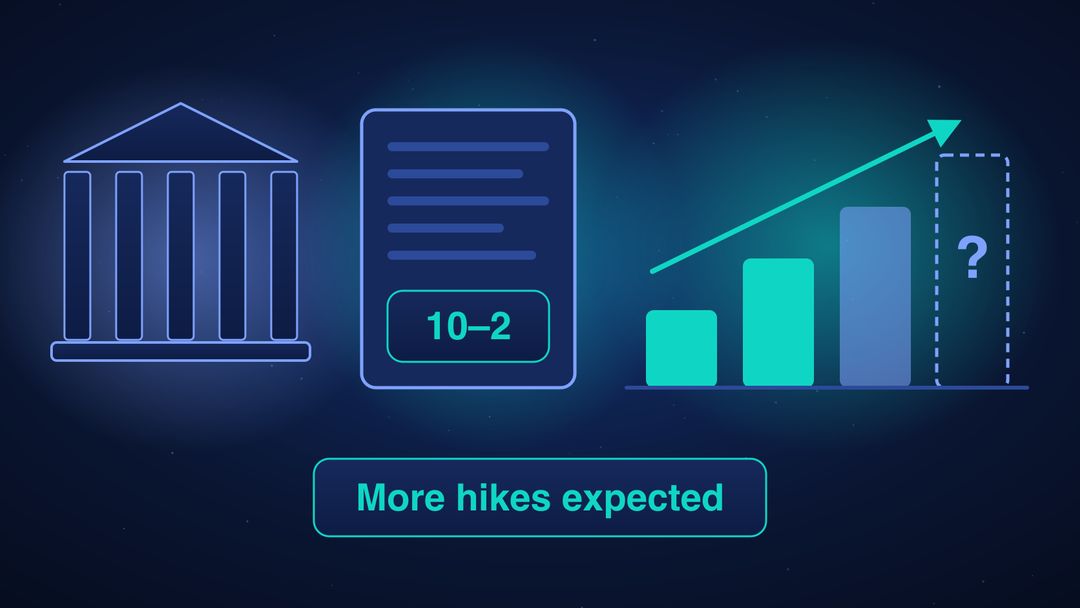
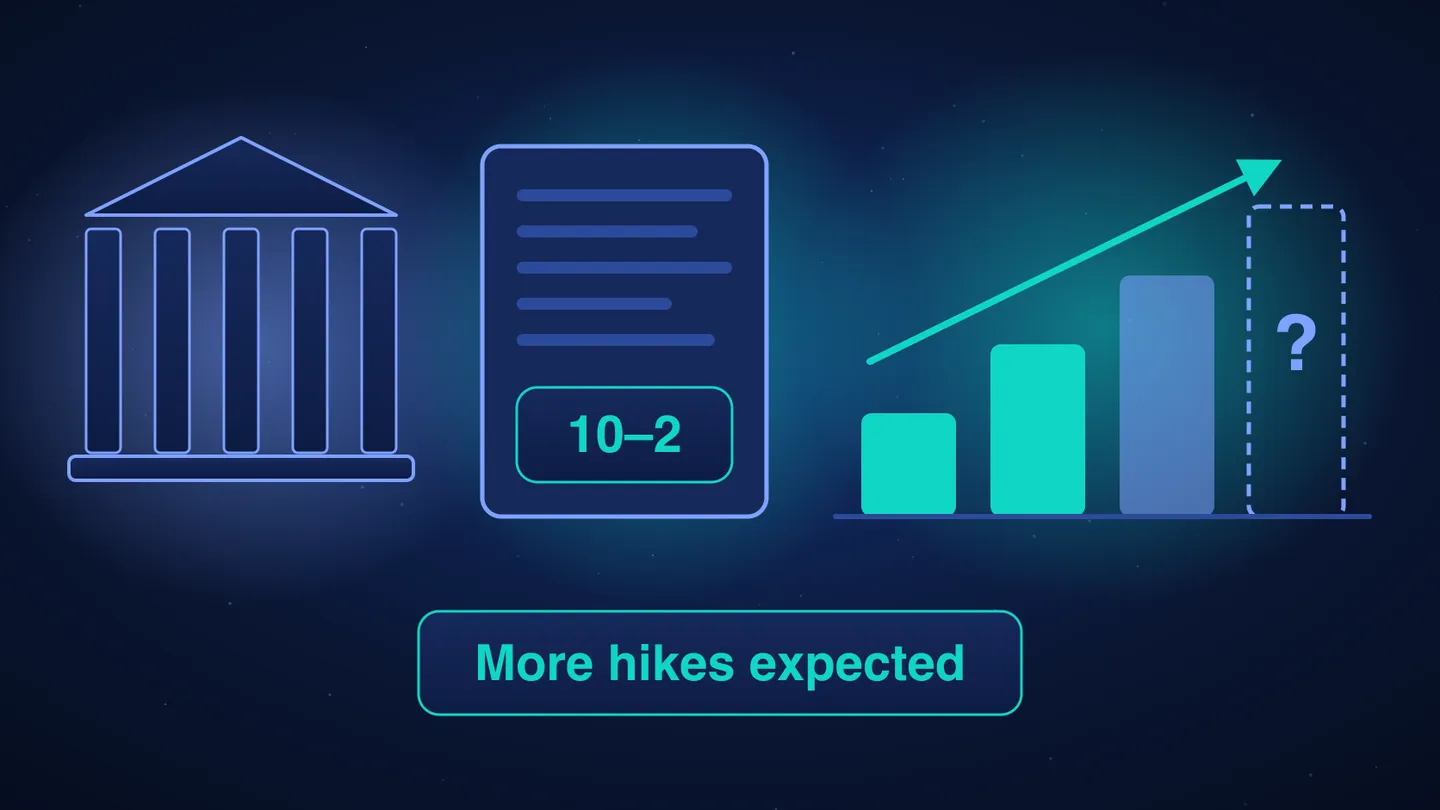
- The decision: the Fed held its key rate in a range of 3.75% to 4.00% by a 10–2 vote. Governor Lisa Cook and Cleveland Fed President Beth Hammack voted for a quarter-point rise.
- A close call: a few officials who backed the hold said they saw it as a close call, and “some” participants favored a quarter-point increase at that meeting.
- More hikes expected: almost all participants said further rate rises would likely be needed to bring inflation back to the Fed’s 2% goal.
- A bigger step is possible: a couple of officials said a rise of more than a quarter point could be considered at the next meeting, on December 8–9, if new inflation data are bad.
- Inflation: Fed staff estimated that the PCE price index, the Fed’s preferred inflation gauge, rose 3.6% in the year to September, and 3.1% excluding energy and most food.
AI is now part of the inflation debate
The minutes mention artificial intelligence again and again. Many officials said demand linked to the AI buildout, such as data centers and chips, is straining supply and pushing up the price of technology-related goods. Several said those price pressures are spreading to other parts of the economy, and many called the AI buildout “a material source of inflation risk.”
At the same time, almost all officials discussed the danger for financial stability if returns on AI investment disappoint. Most noted that AI-related debt has grown fast, much of it through complex and opaque financing.
Why some wanted to wait
Officials who supported the hold said more information would help them judge how strong AI-related spending really is, how tighter credit is affecting the economy, and how September’s rate rise is feeding through. Many also stressed that the pause did not mean the Fed was any less committed to bringing inflation down.
Those who wanted a hike in October argued that inflation was still too high, with few signs of easing, and that waiting longer could force a bigger and more disruptive rise later.
What comes next
The minutes match the message from Fed Governor Christopher Waller, who said in an interview on Wednesday that a half-point rise is probably needed in December. Before the minutes came out, markets mostly expected a quarter-point move at the December 8–9 meeting.
Why it matters
Higher interest rates make borrowing more expensive and cash savings more rewarding, which tends to weigh on riskier assets such as growth stocks and crypto. The minutes show that a rate rise in December is widely expected inside the Fed, and that a bigger one is being discussed. New inflation data before the meeting could decide how large the next step is.
This article is for information only and is not financial advice.